
Apr 19, 2025 12:14 AM
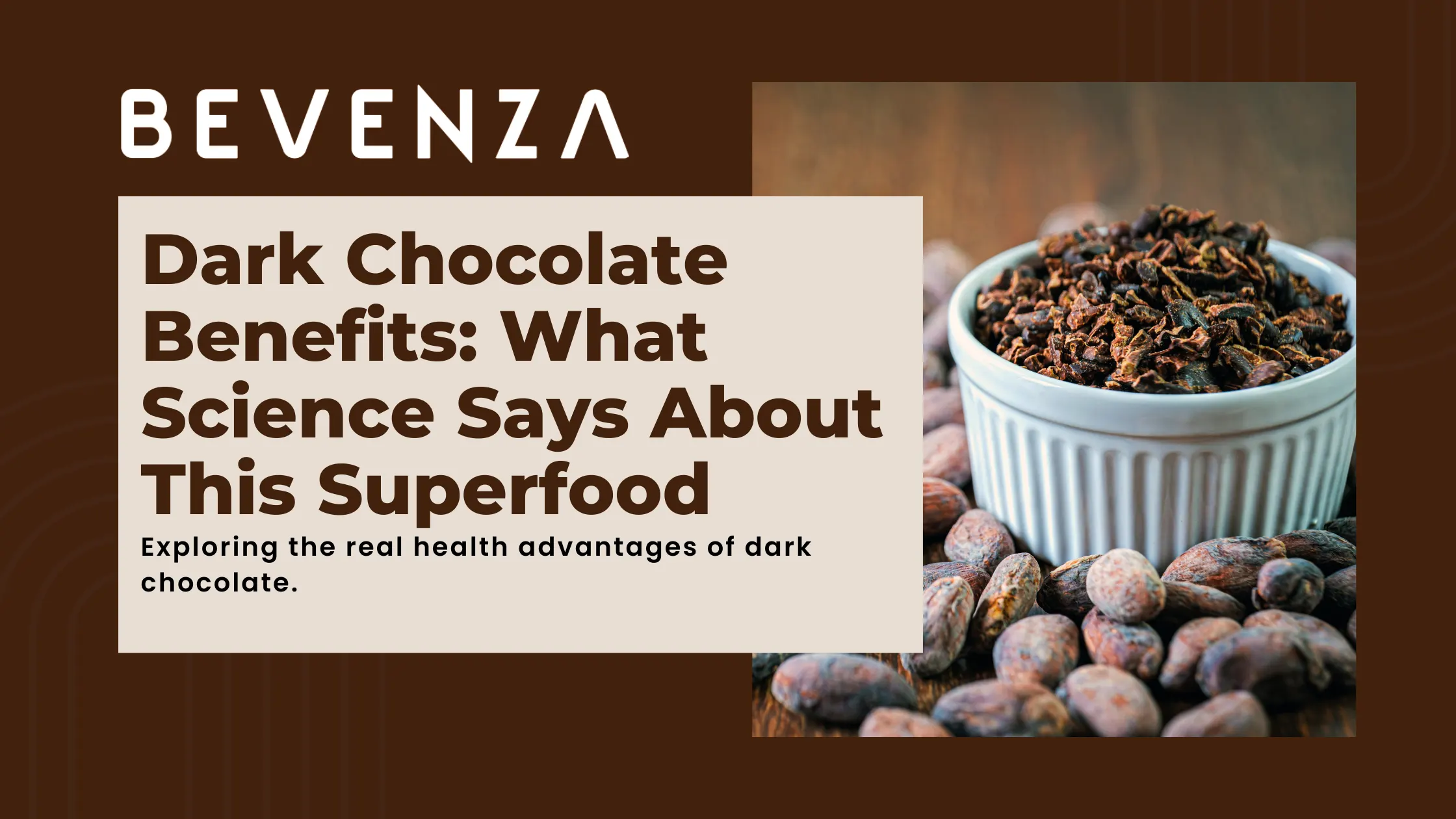
Dark chocolate has long been seen as an indulgence, but modern nutrition science tells a more interesting story. When made with high cocoa content and minimal processing, dark chocolate becomes a functional indulgence, something that satisfies cravings while offering real nutritional value.
The key lies in cocoa. Rich in natural antioxidants such as flavonoids and polyphenols, cocoa has been studied for its role in supporting heart health, brain function, and overall metabolic balance. Unlike regular chocolate, high-quality dark chocolate contains less sugar and more of these beneficial compounds, making it fundamentally different in how it affects the body.
This article looks beyond popular claims and trends. Instead of myths or exaggerated promises, we explore what science actually says about dark chocolate—how it works, what benefits are supported by research, and how to enjoy it responsibly as part of a balanced lifestyle.
The health value of dark chocolate depends largely on one factor: cocoa percentage. Cocoa is where most of the beneficial compounds are found, while added sugar contributes little beyond calories. The higher the cocoa content, the more nutritionally dense the chocolate becomes.
Cocoa percentage explained
70% cocoa offers a balanced profile—noticeable cocoa benefits with moderate sweetness.
80% cocoa contains higher levels of antioxidants and minerals, with reduced sugar.
90% cocoa is rich in flavonoids and cocoa solids, delivering strong functional benefits with minimal sweetness.
99% cocoa is almost pure cocoa, providing maximum antioxidant concentration and virtually no sugar, best suited for experienced dark chocolate consumers.
Dark chocolate vs milk chocolate
Dark chocolate and milk chocolate are fundamentally different products. Milk chocolate contains added milk solids and significantly higher sugar levels, which dilute cocoa’s natural compounds. As a result, it offers fewer antioxidants and greater blood sugar impact. Dark chocolate, by contrast, retains a higher proportion of cocoa solids and minimizes sugar, making it nutritionally superior.
Why less sugar and more cocoa matters
Lower sugar reduces insulin spikes and supports metabolic health, while higher cocoa delivers flavonoids that help combat oxidative stress and support cardiovascular and cognitive function. In simple terms, the health benefits of dark chocolate come not from sweetness, but from the cocoa itself.
When chosen carefully, dark chocolate shifts from being a simple dessert to a purposeful, evidence-backed indulgence.
Dark chocolate stands out nutritionally because of its cocoa content, which delivers a unique combination of antioxidants, essential minerals, and healthy fats. When consumed in its high-cocoa form, it offers benefits that go far beyond taste.
Cocoa flavonoids
Cocoa is one of the richest natural sources of flavonoids powerful antioxidants that help neutralize free radicals in the body. These compounds are widely studied for their role in supporting heart health, improving blood flow, and protecting cells from oxidative stress.
Essential minerals
High-quality dark chocolate naturally contains important minerals that support everyday bodily functions:
Iron, which supports oxygen transport and energy levels
Magnesium, essential for muscle function, nerve health, and stress regulation
Zinc, which contributes to immune support and cellular repair
Potassium, important for heart rhythm and fluid balance
Healthy fats from cocoa butter
Cocoa butter provides a balance of saturated and monounsaturated fats, including oleic acid—the same heart-friendly fat found in olive oil. These fats contribute to satiety and help slow digestion, supporting better blood sugar control when consumed in moderation.
Low-sugar advantage of high-cocoa chocolate
As cocoa percentage increases, sugar content drops significantly. High-cocoa dark chocolate (80% and above) minimizes rapid blood sugar spikes while maximizing nutrient density, making it a smarter option for those focused on metabolic health and mindful eating.
Together, these nutritional components explain why dark chocolate when chosen thoughtfully can be both indulgent and functional.
Dark chocolate earns its health reputation not through trends or tradition, but through its cocoa-derived bioactive compounds. When consumed in high-cocoa, low-sugar form, it delivers measurable benefits supported by nutritional and clinical research.
Dark chocolate is one of the most concentrated dietary sources of flavonoids and polyphenols, powerful antioxidants naturally present in cocoa. These compounds help neutralize free radicals unstable molecules that contribute to cellular damage and accelerated aging. By reducing oxidative stress, cocoa antioxidants support long-term cellular health and play a protective role against inflammation-related conditions.
One of the most well-studied benefits of dark chocolate relates to cardiovascular function. Cocoa flavonoids stimulate the production of nitric oxide, a compound that helps blood vessels relax and improves circulation. This enhanced blood flow supports healthier vascular function and may contribute to better blood pressure regulation. Additionally, dark chocolate helps reduce the oxidation of LDL (“bad”) cholesterol—a key factor in maintaining arterial health and reducing cardiovascular risk.
Improved circulation doesn’t stop at the heart. Cocoa flavonoids also increase blood flow to the brain, supporting mental clarity and cognitive performance. Studies associate regular dark chocolate consumption with improved attention, memory support, and sustained focus—making it especially beneficial for mentally demanding lifestyles.
Dark chocolate’s calming effect is not just emotional—it’s biochemical. Cocoa stimulates the release of serotonin and endorphins, neurotransmitters linked to pleasure, relaxation, and emotional balance. It also provides magnesium, a mineral essential for nervous system regulation and stress management.Together, these elements explain why dark chocolate often feels grounding and comforting—without the rapid energy crash associated with high-sugar sweets.
Unlike conventional chocolate, high-cocoa dark chocolate contains minimal sugar, which significantly alters how the body responds to it. Research suggests that cocoa compounds may help improve insulin sensitivity, supporting healthier glucose metabolism. With fewer sugar spikes and a slower digestive response, dark chocolate becomes a more stable indulgence for metabolic balance when consumed in moderation.
Science doesn’t frame dark chocolate as a miracle food—but it does recognize its value when quality, cocoa percentage, and portion size are respected. In its pure form, dark chocolate shifts from a simple indulgence to a functional, evidence-based choice within a balanced lifestyle.
The benefits of dark chocolate become most meaningful when viewed through real-life routines and needs. Because high-cocoa dark chocolate combines antioxidants, minerals, and low sugar, it fits naturally into a variety of modern lifestyles without feeling like a compromise.
For those who train regularly or follow disciplined fitness routines, the benefits of dark chocolate lie in its nutrient density without excess sugar. High-cocoa dark chocolate provides magnesium and iron, which support muscle function, recovery, and oxygen transport. Its healthy fats also help promote satiety, making it a smarter post-meal or post-workout indulgence compared to highly sweetened snacks.
Long work hours and mental fatigue demand sustained focus. The benefits of dark chocolate for professionals include improved blood flow to the brain, which supports concentration and mental clarity. Cocoa flavonoids, combined with a small amount of natural caffeine and theobromine, offer gentle stimulation without the jitters or crash associated with sugary treats or excessive caffeine.
One of the most practical benefits of dark chocolate is its ability to satisfy cravings while keeping sugar low. High-cocoa varieties (80% and above) contain significantly less sugar than regular chocolate, helping reduce blood sugar spikes. This makes dark chocolate a suitable option for those consciously cutting back on sugar without giving up enjoyment.
For individuals who value balance and intentional eating, the benefits of dark chocolate extend beyond nutrition. Its rich flavor encourages slower consumption, making smaller portions feel satisfying. The combination of cocoa’s natural compounds and lower sweetness supports a calmer, more grounded eating experience aligned with mindful indulgence rather than excess.
Dark chocolate offers real health benefits, but like any nutrient-dense food, the amount matters. The goal is to enjoy its advantages without turning a functional indulgence into excess.
Most nutrition research suggests that 20–30 grams of dark chocolate per day roughly two to three small squares is enough to experience the benefits of dark chocolate. This portion provides a meaningful amount of cocoa antioxidants and minerals without adding excessive calories or sugar. Eating more than this occasionally isn’t harmful, but daily overconsumption can offset the benefits due to increased calorie and fat intake.
For maximum benefits, choose dark chocolate with a minimum of 70% cocoa.
70–80% cocoa offers a balance of antioxidants and palatability.
85–90% cocoa provides higher flavonoid content with less sugar.
99% cocoa delivers the highest concentration of cocoa compounds and minimal sugar, best suited for experienced dark chocolate consumers.
Higher cocoa content generally means more antioxidants and fewer added sugars, two key factors behind the health benefits of dark chocolate.
Despite its nutritional value, dark chocolate is still calorie-dense. Consuming it in controlled portions helps maintain metabolic balance, prevents unnecessary calorie intake, and supports long-term health goals. Moderation also encourages mindful eating allowing you to fully enjoy the flavor and benefits of dark chocolate without relying on quantity. When quality and portion size are respected, dark chocolate remains both beneficial and sustainable as part of a balanced diet.
How to Choose the Right Dark Chocolate
Not all dark chocolate is created equal. The health benefits and overall experience depend heavily on ingredient quality, cocoa content, and how the chocolate is made. Knowing what to look for helps ensure you’re choosing chocolate that delivers real value—not just the label.
Always start with the cocoa percentage on the label. For meaningful benefits, choose dark chocolate with at least 70% cocoa. Higher percentages indicate more cocoa solids and fewer added sugars, which means greater antioxidant content and a richer, more authentic chocolate flavor.
Compound chocolate uses vegetable fats instead of cocoa butter and contains significantly less cocoa. While it may look similar, it lacks the nutritional compounds found in real cocoa and often includes artificial flavors. For health and quality, choose pure cocoa-based chocolate made with cocoa butter.
A simple rule applies here: shorter is better. High-quality dark chocolate typically contains just a few ingredients: cocoa solids, cocoa butter, and a small amount of sugar. Long ingredient lists often signal unnecessary additives, emulsifiers, or flavor enhancers that dilute both taste and benefits.
Sugar should support the cocoa, not overpower it. Look for chocolates with minimal added sugar, preferably listed after cocoa ingredients. Dark chocolate with lower sugar content reduces blood sugar spikes and allows cocoa’s natural complexity to stand out.
Choosing with Intention
Selecting the right dark chocolate is about respecting both health and craftsmanship. Brands that prioritize high cocoa content, clean ingredients, and careful processing reflect a more thoughtful approach, one that aligns indulgence with quality and well-being.
When chosen intentionally, dark chocolate becomes more than a snack it becomes a refined, functional indulgence.
Dark chocolate is often discussed in health conversations, but much of that discussion is shaped by assumptions rather than facts. Understanding what’s true—and what isn’t—helps you enjoy dark chocolate with clarity instead of confusion.
Chocolate becomes healthy only when cocoa is the primary ingredient. Many products sold as chocolate contain high levels of sugar, vegetable fats, and additives, with very little actual cocoa. These offer taste, but not nutritional value. The real benefits of dark chocolate come from high cocoa content, where antioxidants and minerals are naturally present.
Bitterness is often mistaken for poor quality, but in dark chocolate, it usually signals the opposite. The slightly bitter taste comes from cocoa’s natural compounds—especially flavonoids—which are responsible for many of its health benefits. Less sweetness and more bitterness generally indicate less sugar and more cocoa, which is nutritionally preferable.
Dark chocolate doesn’t automatically lead to weight gain. What matters is how much and how often it’s consumed. High-cocoa dark chocolate is rich and filling, which encourages smaller portions and helps reduce cravings. When enjoyed in moderation, it can fit easily into a balanced diet. Weight gain becomes a risk only when portion size and overall calorie intake are ignored.
Dark chocolate can be safely enjoyed every day when chosen wisely and consumed in moderation. Its safety and benefits depend on individual sensitivity, portion size, and product quality.
While dark chocolate is generally safe, some individuals should consume it more mindfully:
Caffeine-sensitive individuals: Dark chocolate contains small amounts of caffeine and theobromine, which may cause restlessness or sleep disruption if consumed late in the day.
People with nut or milk allergies: Always check allergen information, especially for chocolates processed in shared facilities.
Those with specific medical conditions: Individuals advised to limit caffeine or certain minerals should consult a healthcare professional.
The ideal time to enjoy dark chocolate is earlier in the day or after meals. Consuming it post-meal can slow sugar absorption, while daytime consumption reduces the risk of sleep interference. Many people find it effective as a mid-day or post-lunch indulgence.
To maintain quality and safety:
Store dark chocolate in a cool, dry place, away from direct sunlight
Avoid refrigeration unless absolutely necessary, as moisture can affect texture and flavor
Ensure packaging is sealed properly to prevent odor absorption
High-quality dark chocolate remains stable when stored correctly, preserving both flavor and nutritional value.
Lorem Ipsum is simply dummy text of the printing and typesetting industry. Lorem Ipsum has been the industry's standard dummy text ever since the 1500s, when an unknown printer took a galley of type and scrambled it to make a type specimen book. It has survived not only five centuries, but also the leap into electronic typesetting, remaining essentially unchanged. It was popularised in the 1960s with the release of Letraset sheets containing Lorem Ipsum passages, and more recently with desktop publishing software like Aldus PageMaker including versions of Lorem Ipsum.
Lorem Ipsum is simply dummy text of the printing and typesetting industry. Lorem Ipsum has been the industry's standard dummy text ever since the 1500s, when an unknown printer took a galley of type and scrambled it to make a type specimen book. It has survived not only five centuries, but also the leap into electronic typesetting, remaining essentially unchanged. It was popularised in the 1960s with the release of Letraset sheets containing Lorem Ipsum passages, and more recently with desktop publishing software like Aldus PageMaker including versions of Lorem Ipsum.
Get in touch for test rich and new flavours!